


n modern agriculture, understanding the difference between organic and mineral fertilizers is essential for improving crop productivity and protecting long-term soil health. Soil is more than a planting mediumit is a living ecosystem that needs a balanced supply of nutrients for sustainable yields and economic returns.
Organic fertilizers, derived from natural sources like compost and manure, release nutrients slowly while enriching soil structure and microbial life. Mineral fertilizers, on the other hand, are industrially produced with precise N–P–K ratios, offering quick absorption and strong support during critical growth stages.
This article highlights the key difference between organic and mineral fertilizers , helping farmers and producers choose the right option and apply it effectively for maximum yield and soil preservation.
Table of Contents
What Is the Difference Between Organic and Mineral Fertilizers?
Organic fertilizers:
Natural substances derived from plant residues, animal manure, or compost. They release nutrients gradually, nourishing the soil and maintaining its microbial community while enhancing long-term fertility.
Mineral (synthetic) fertilizers:
Chemically produced substances containing essential macronutrients (N–P–K). They provide concentrated, fast-acting nutrients to plants, making them ideal for immediate crop requirements.
Characteristics and Advantages of Each Type
Advantages of Organic Fertilizers
Organic fertilizers uniquely improve soil structure, increasing its water-holding capacity and enhancing root-zone aeration. They also support soil biodiversity, including beneficial microbes and mycorrhizal fungi, creating a nutrient-rich environment that boosts plant uptake efficiency.
A major benefit is their gradual nutrient release, reducing the risk of overfertilization or contamination of groundwater with nitrogen or phosphorus.
Additionally, they contribute to sustainable farming by sequestering carbon in soils and reducing erosion—positively impacting both agricultural productivity and environmental health.
Advantages of Mineral Fertilizers
Mineral fertilizers are renowned for delivering nutrients with speed and precision, making them ideal during critical growth phases when plants require immediate nitrogen, phosphorus, or potassium supplementation.
They are easy to store and apply, with a relatively cost-effective return on investment due to the rapid results they deliver.
Another key advantage is their high measurability and controllability—nutrient ratios can be precisely tailored to match the requirements of specific crops, granting farmers greater flexibility in soil fertility management.
When to Choose Each Type
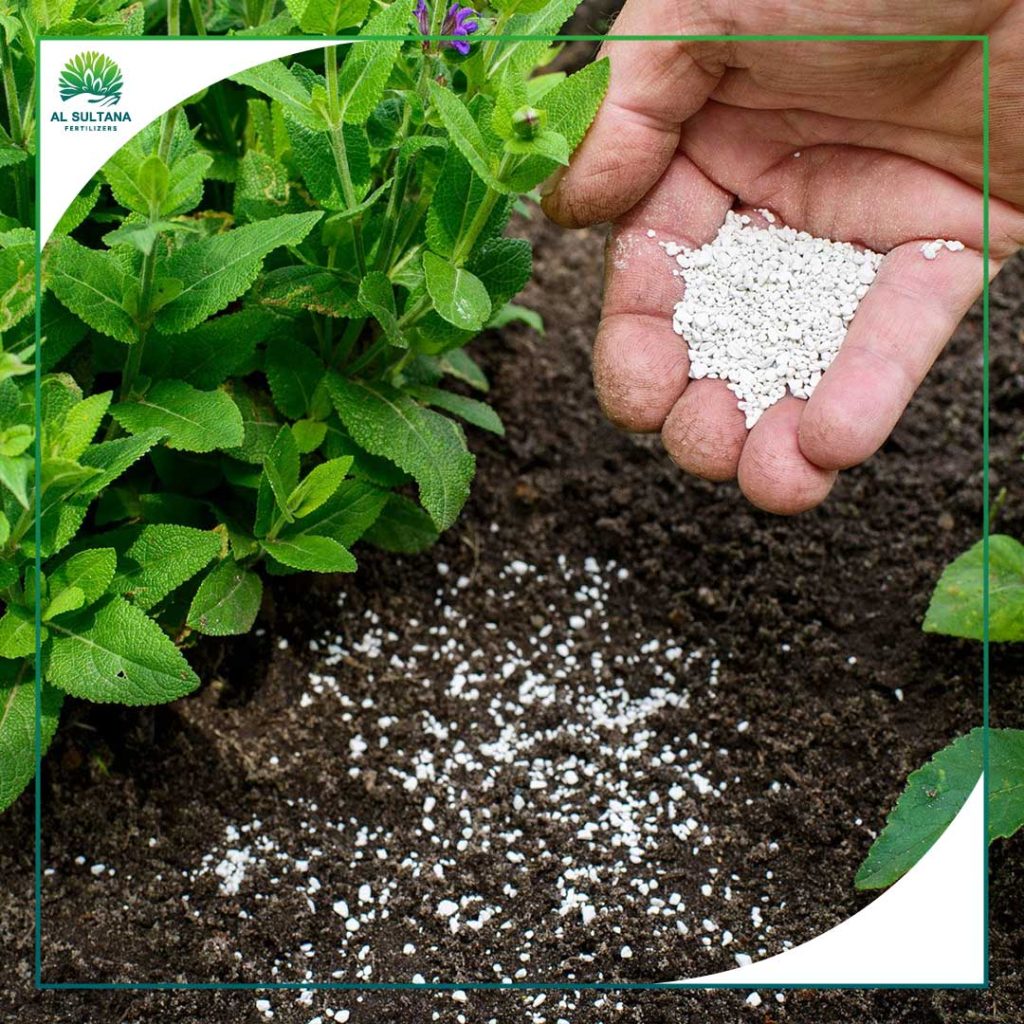
difference between organic and mineral fertilizers
Choosing Organic Fertilizers
Recommended when the primary goal is to improve long-term soil health, enhance biological activity, and increase the soil’s capacity to retain nutrients and water. This is ideal for farmers aiming to establish a sustainable agricultural system that supports biodiversity and maintains fertility over decades.
Choosing Mineral Fertilizers
Best suited for situations where rapid plant growth or the correction of a specific nutrient deficiency is a priority—especially in intensive or commercial farming requiring high yields within a short timeframe. These fertilizers supply nutrients immediately, quickly improving productivity.
Combining Both Approaches — The Optimal Strategy
In many cases, integrating both organic and mineral fertilizers offers the most effective solution. Mineral fertilizers can address immediate plant needs during the growing season, while organic fertilizers enhance long-term soil fertility and microbial activity. This balanced approach ensures high productivity without compromising long-term soil health.
Practical Tips for Selecting the Optimal Fertilizer
Identify your agricultural objectives:
Decide whether your priority is improving long-term soil fertility or achieving rapid crop growth. This will guide whether to use organic, mineral, or a combination of both.
Conduct soil testing in advance:
Determine precise requirements for macronutrients (NPK) and micronutrients such as zinc and iron to avoid unnecessary fertilizer application.
Match fertilizer type to growth stages:
Apply mineral fertilizers during rapid vegetative growth or fruiting, while using organic fertilizers to support soil activity and health.
Monitor nutrient balance:
Avoid excessive application of either type to prevent water pollution or plant rootdamage.
Drawbacks and Risks of Each Type
difference between organic and mineral fertilizers
Disadvantages of Organic Fertilizers
- Slow nutrient release: May not meet plants’ immediate needs during critical growth phases.
- Nutrient inconsistency: Composition may vary between batches, complicating precise application rates.
- Higher transport and storage costs: Greater volume and bulk increase logistical expenses.
- Potential pathogens or weed seeds: Risk exists if materials are not properly heat-treated or composted.
Disadvantages of Mineral Fertilizers
- Salt accumulation in soil: Overuse can lead to soil salinization and long-term fertility loss.
- Groundwater contamination: Excess nitrogen and phosphorus may leach into aquifers, causing eutrophication.
- Reduced microbial activity: Sole reliance on mineral fertilizers can diminish beneficial soil organisms.
- Fertilizer burn risk: Overapplication can damage roots through osmotic stress.
Environmental Impact and Agricultural Sustainability
Impact of Organic Fertilizers
Generally positive: Derived from natural sources and recycle organic matter, reducing agricultural waste and improving long-term soil fertility.
Potential risks: Overapplication or improper composting may lead to greenhouse gas emissions (methane CH₄, nitrous oxide N₂O) during decomposition or introduce pathogens into the soil.
Impact of Mineral Fertilizers
High productivity but greater environmental footprint: Nitrogen fertilizer production consumes large amounts of energy (Haber–Bosch process), contributing to CO₂ emissions.
Water pollution: Excess nitrogen and phosphorus can run off into water bodies, triggering algal blooms (eutrophication) that deplete oxygen and harm aquatic life.
Soil degradation: Excessive use can alter pH and cause salinization, lowering future productivity.
Solutions to Reduce Fertilizer Environmental Impact
- Integrate organic and mineral fertilizers to balance productivity and environmental protection.
- Apply precision fertilization based on soil testing and satellite imagery to optimize application rates.
- Develop more energy-efficient manufacturing lines with emissions capture technologies.
Balancing Organic and Mineral Fertilizers Across Crop Seasons
A well-planned fertilization schedule considers both crop growth stages and seasonal variations. Early in the season, when seedlings and young plants need rapid nutrient uptake, mineral fertilizers can provide immediate support to promote strong vegetative growth.
As the season progresses, incorporating organic fertilizers helps maintain soil fertility, improve microbial activity, and retain moisture, preparing the soil for the next crop cycle. This seasonal balancing ensures that plants have access to essential nutrients when needed while simultaneously building long-term soil health. By rotating and combining fertilizer types according to growth stages and soil conditions, farmers can optimize yields, reduce input costs, and minimize negative environmental effects, creating a sustainable and productive farming system.
The Role of Precision Fertilization in Sustainable Agriculture
Precision fertilization is an emerging approach that combines modern technologies with traditional farming practices to optimize nutrient use. By utilizing soil sensors, satellite imagery, GPS mapping, and automated irrigation systems, farmers can determine the exact nutrient requirements of specific field zones. This method reduces fertilizer waste, lowers production costs, and minimizes environmental impact.
For example, instead of applying the same NPK ratio across an entire field, precision techniques enable targeted application where crops need it most, improving uptake efficiency and reducing runoff. Additionally, integrating real-time monitoring systems allows adjustments during the growth season, ensuring that crops receive the right nutrients at the right time. This approach not only maximizes yield and crop quality but also supports long-term soil health, promoting sustainable agricultural practices that balance productivity with environmental stewardship.
Conclusion
informed decisions that benefit both soil health and crop quality over the long term. Organic fertilizers revitalize and sustain soil fertility, while mineral fertilizers deliver concentrated, fast-acting nutrients when needed. Combining the two achieves the ideal balance between immediate productivity and environmental sustainability.
At Al Sultana Fertilizers, we bring our expertise to help you understand the difference between organic and mineral fertilizers and make the best choice for your farm—whether your goal is to enhance soil health or achieve record-breaking yields in a single season.
Get started today:
📞 Request a free technical consultation
Together, we build stronger soils and more abundant harvests.
read more How to Choose the Right Fertilizer for Your Crop? A Guide from Al Sultana Experts
When should I choose organic fertilizers over mineral ones?
Organic fertilizers are best when your priority is long-term soil health and sustainability. They improve soil structure, retain moisture, enhance microbial life, and gradually release nutrients, making them ideal for maintaining fertility over time and supporting biodiversity, rather than for immediate crop growth.
Can I combine organic and mineral fertilizers for my crops?
Yes, combining both types offers the best of both worlds. Mineral fertilizers provide immediate nutrients during critical growth phases, while organic fertilizers improve soil structure, enhance microbial activity, and ensure long-term fertility. This integrated approach maximizes yield and maintains healthy soil for future crops.
Q3: What are the main risks of using only mineral fertilizers?
Relying solely on mineral fertilizers can lead to soil salinization, reduced microbial activity, and nutrient imbalance. Excess nitrogen and phosphorus may leach into groundwater, causing water pollution. Over time, this reduces soil fertility and crop resilience, making the land less productive and sustainable without proper management.
CALL US FOR MORE INFO